

The NHS is going through one of the biggest periods of change in its history. Decisions being made now will shape the health services that today’s young people rely on for the rest of their lives. Yet young people are rarely the ones asked what those services should look like.
We should try and change that. As a member of the Youth Council at University Hospitals Plymouth, I have the chance to take young people’s views directly to the people who lead our local health services. This post sets out what is happening, and asks you one simple question: how would you like health services to change?
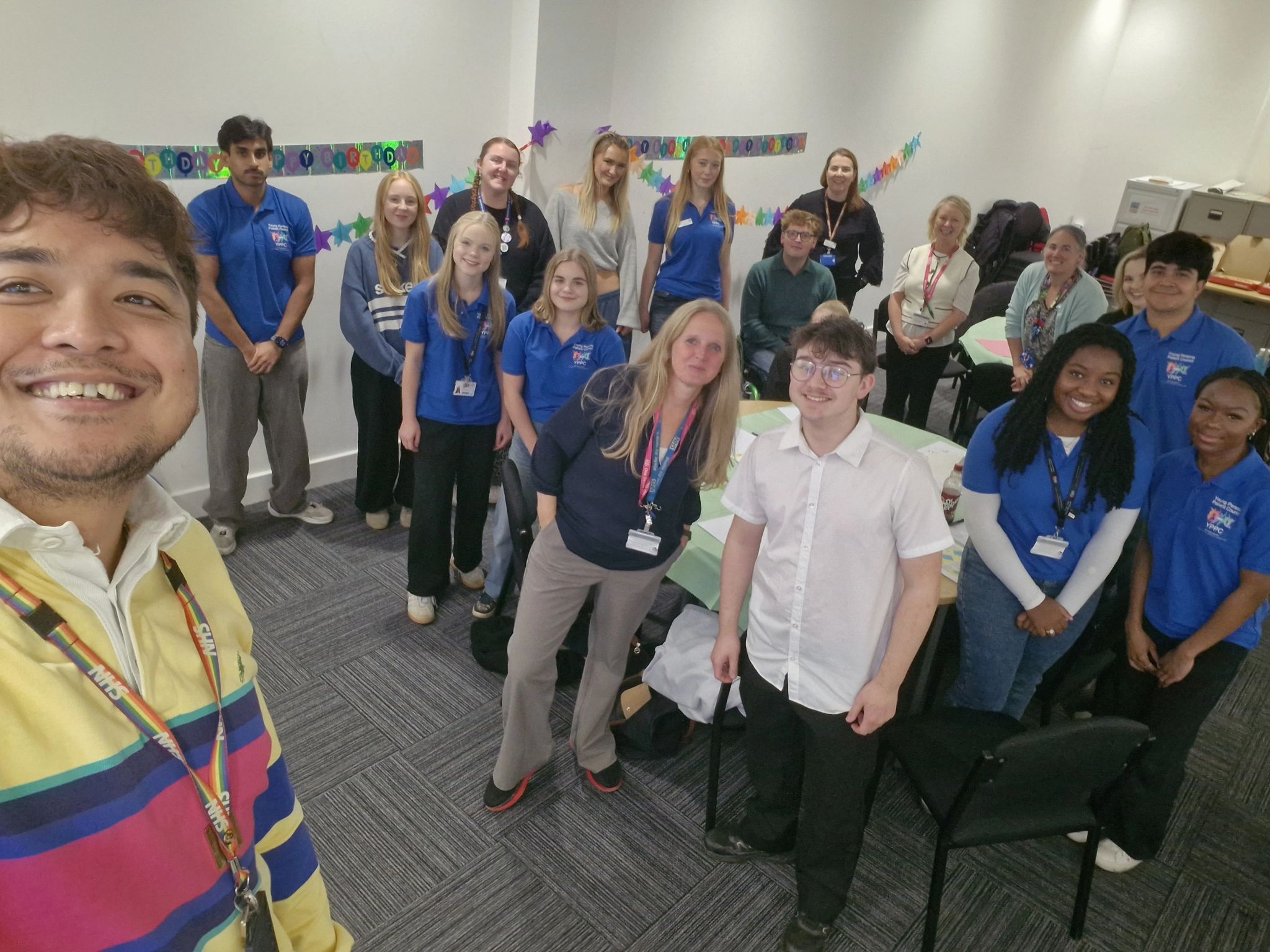
This is the start of a conversation, not a finished argument. Please read, disagree, add your own ideas and share it with friends.
Most of us know the headlines: long waits for operations and A&E, pressure on GPs and dentists, and growing demand for mental health support. People are living longer, often with several long-term conditions, and services built decades ago are struggling to keep up.
In July 2025, the government published the NHS 10 Year Health Plan, which sets the direction for the NHS in England. It is built around three big shifts:
- From hospital to community: more care delivered closer to home, through neighbourhood health services.
- From analogue to digital: using technology such as the NHS App and shared digital records to make care faster and more joined up.
- From sickness to prevention: helping people stay well, rather than only treating them once they are ill.
All three shifts will affect young people for decades. That is why our views matter.
Our part of the country faces challenges that national plans don’t always capture:
- Distance: the South West peninsula has one of the lowest population densities in England. For young people in rural and coastal areas, getting to an appointment can mean long journeys and unreliable buses.
- An older population: people here are, on average, older than the England average, and rural and coastal areas are ageing fastest. That shapes where money and staff go.
- Inequality: wealthier areas sit alongside some of the most deprived coastal and urban communities in the country, and health outcomes differ sharply between them.
- Digital gaps: patchy broadband and mobile signal mean “digital first” services don’t reach everyone equally.
- Rising demand for mental health support: local health leaders highlight rising demand for mental health services.
Young people growing up here are also the NHS staff of the future. Health services that listen to young people could help more of them see a future, and a career, here.
University Hospitals Plymouth (UHP), which runs Derriford Hospital, is the largest hospital in the South West peninsula and a major trauma centre. It serves Plymouth, West Devon and East Cornwall. UHP welcomed the national plan and is already making changes that match its three shifts:
- Closer to home: a new Community Diagnostic Centre in the city centre will offer scans and tests such as MRI, CT and X-ray in one of Plymouth’s most deprived neighbourhoods.
- Care at home: virtual wards, run with Livewell Southwest, let some patients receive hospital-level care in their own homes.
- Joined-up records: Devon’s hospitals are moving to a single electronic patient record, so patients don’t have to repeat their medical history to every member of staff.
- Prevention and young people: hospital staff go into schools to teach CPR, and mobile research units take health research out into communities.
These are real steps forward. Understandably, much of the focus is on an ageing population. The question I want to ask is what young people need from the next ten years.
Over to you: what should change?
There are no right or wrong answers. Pick any question that matters to you:
- Getting help: what makes it hard for young people to see a doctor, nurse or counsellor? What would make it easier?
- Mental health: where would you want to get support: at school or college, online, in a youth centre, or somewhere else?
- Digital: would you rather book, chat or get advice through an app? What would make you trust it, and who might get left behind?
- Prevention: what would help young people stay healthy in the first place, from sleep and food to exercise and vaping?
- Being listened to: have you ever felt ignored or talked down to in a health setting? What should staff do differently?
- Your future: would you consider a career in the NHS? What would make it more appealing?
Share your views
If you are aged [age range, e.g. 14–25] and live in Plymouth, Devon or Cornwall, I want to hear from you.
Please fill in this short survey or share your thoughts or feedback by write to me via our contact us page or using our social media pages.
You don’t need to give your name, and I won’t share anything that could identify you.
What happens next: I will gather everyone’s views and look for common themes. I will then share them, anonymously, with leaders at University Hospitals Plymouth through the Youth Council by [date]. Afterwards, I will post an update here on what I shared and how it was received, so you can see where your voice went.
The NHS belongs to all of us, including the generation who will use it longest. Let’s make sure it’s shaped by us too.